
On the Ground in the Great Basin
From weed treatment to post-fire restoration and bat research, see the conservation work ENLC leads across the Great Basin.
From weed treatment to post-fire restoration and bat research, see the conservation work ENLC leads across the Great Basin.
Invasive Species & Weed Management
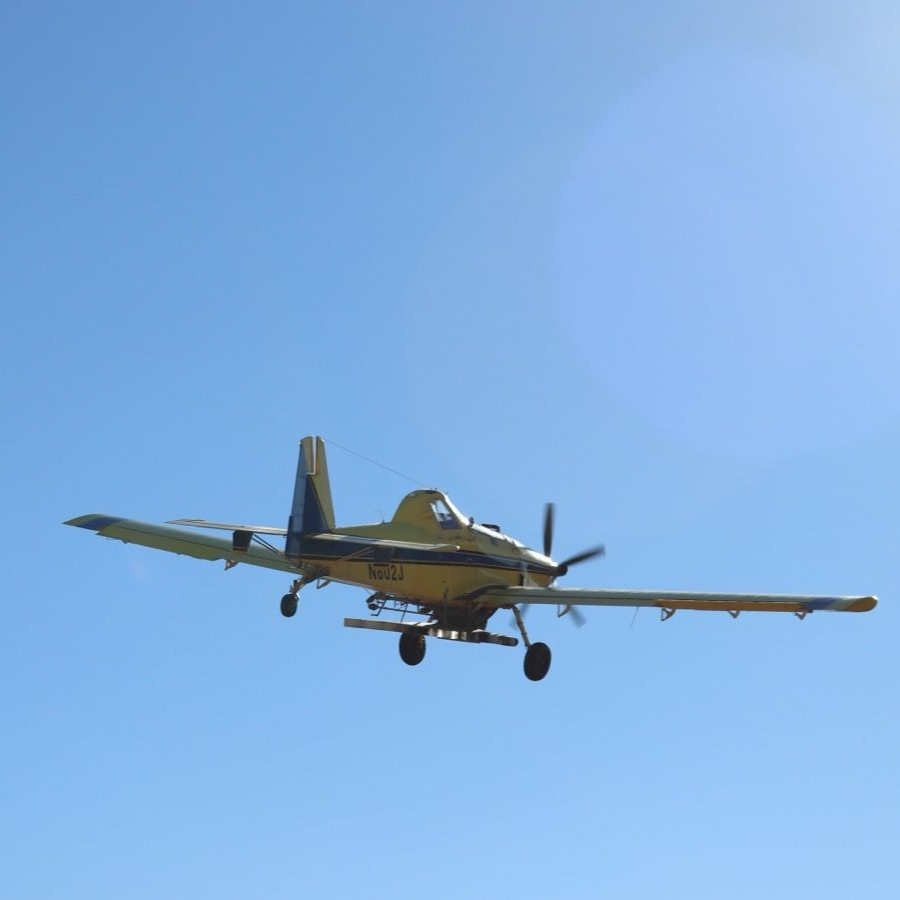
Weed treatment is where ENLC's field work begins. In FY2025, ENLC treated 3,501 acres for invasive species across Nevada, working alongside the Bureau of Land Management, US Forest Service, Nevada Department of Agriculture, and private landowners and ranchers.
One tool in this work is biocontrol: releasing an insect or pathogen that targets an unwanted species without harming the native ones nearby. In one project, ENLC worked with the US Forest Service and the Nevada Department of Agriculture to release Canada thistle rust into an area with a heavy Canada thistle infestation. The rust has since established successfully, one piece of an Integrated Pest Management approach that combines several treatment methods to protect Great Basin rangeland.
This work happens through seven Cooperative Weed Management Areas covering Nevada, from Newark/Long Valley to the Upper Meadow Valley, Railroad Valley, White River Valley, Steptoe Valley, Snake Valley, and Pahranagat Valley.

Post-Fire Restoration
After a wildfire moves through the Great Basin, both emergency and long-term rehabilitation projects work to protect, stabilize and rehabilitate values at risk, including soils, riparian areas, cultural resources, sensitive species, forage and wildlife habitat on lands unlikely to recover on their own. That work, often carried out over several years, includes measures to mitigate soil erosion and damage to riparian resources, inventorying and treating noxious and invasive plants, rehabilitating roads and trails, repairing/replacing minor infrastructure such as fences, culverts, guzzlers and troughs, rehabilitating habitat and forage through revegetation, treatment effectiveness monitoring, and partner collaborations working to improve rehabilitation outcomes.
In FY2025, ENLC treated 9,565 acres of riparian area, mixed 338,540 pounds of seed for post-fire restoration, and completed 381,000 acres of habitat restoration work across the region. These projects included both post-fire rehabilitation and longer-term habitat restoration efforts.
ENLC Natural Resource Specialist Lara Derasary and partners — including Moira Kolada (NDOW), Lauren Svejcar (formerly ARS), Sasha Reed (USGS), and Ty Peterson and team (BLM/DOI) — start rehabilitation and restoration planning with the soil itself, considering the role nutrients and microbes may play in vegetation recovery, establishment, and persistence, and how soil-plant interactions could influence which plant materials have the best chance of establishing and persisting on a given site. The team also weighs the best application methods, for example aerial seeding, which can cover large or hard-to-reach burn areas quickly, against drill seeding, which allows the seeds to be covered but is terrain limited, more expensive, more time consuming, and can be logistically more complicated and raises soil disturbance concerns.
“Post-fire rehabilitation in semi-arid and arid systems requires tenacity, a willingness to try diverse approaches, and the courage to keep throwing spaghetti at the wall, even when it feels like you're failing, in the hopes you figure out what sticks and are able to set sites on a trajectory towards long-term ecosystem function and durability.”
— Lara Derasary, ENLC Natural Resource Specialist
Wildlife & Bat Inventory
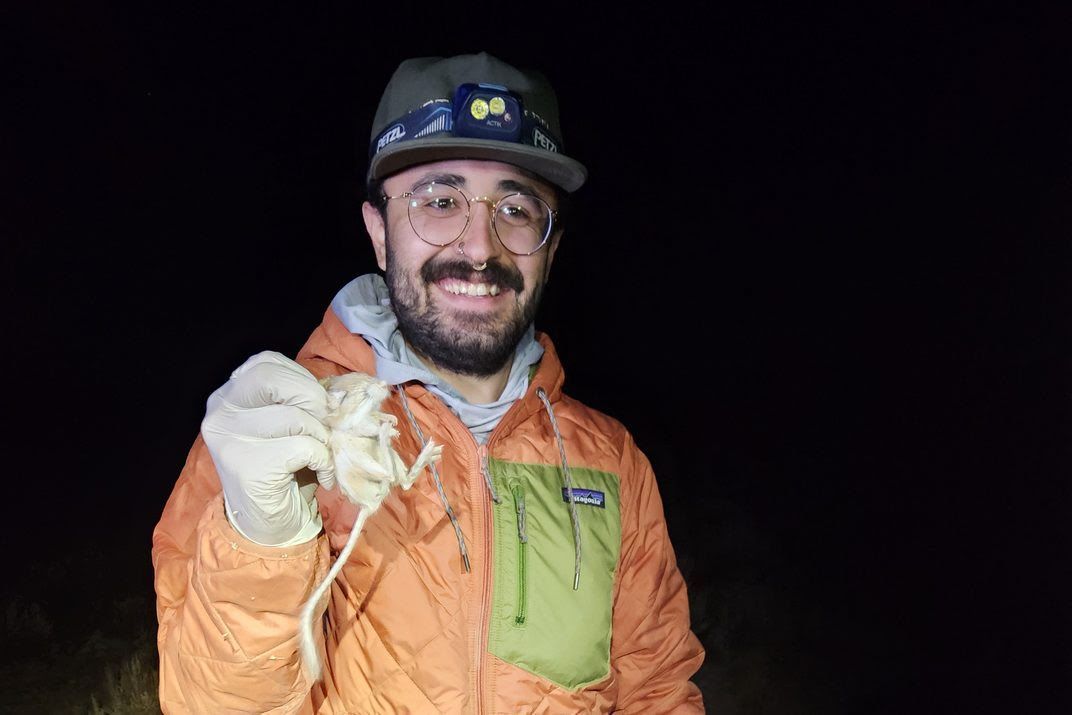
ENLC is partnering with the Bureau of Land Management, Nevada Department of Wildlife, Bat Conservation International, and NABat on the Basin and Range Bat Inventory, a five-year project studying bat species across Basin and Range National Monument. The project provides baseline data on which bats live in the monument and how they use these public lands over time, work that matters more now that White-nose Syndrome has been confirmed in Nevada.
Acoustic monitoring has confirmed 14 bat species in the monument, and three trapping events have captured 149 individuals, giving ENLC and its partners a clearer picture of the monument's bat populations. With threats like habitat loss and White-nose Syndrome, this baseline data helps ENLC and its partners better understand and conserve bats in the monument.
The project reaches the community too. In October 2025, Ecologist Kelsey Danielson led an outreach event with second graders at David E Norman Elementary School, where students built their own bat houses. ENLC installed the finished bat houses at Steptoe Wildlife Management Area in March 2026.
Native Seed & the Gregory Gust Herbarium
ENLC's Seeds of Success program collects native seed across the Great Basin, seed that later goes into restoration projects like the post-fire reseeding above.
That plant knowledge also lives on in the Gregory Gust Herbarium, a scientific archive of preserved plant specimens focused on the Mojave and Great Basin floristic regions of Nevada. Each dried plant is mounted onto acid-free, archival paper using an acid-free adhesive. The herbarium holds over 6,000 specimens, including 7 Isotype specimens collected by Ira W. Clokey between 1936 and 1938 in Clark County's Spring Mountains, and its records are available online through the Intermountain Region Herbarium Network.
The herbarium is named for Gregory Garrett Gust (August 27, 1975 - March 14, 2023), who served as ENLC's botanist and researcher for over 16 years, leading rare-species surveys, plant and fire ecology projects, and the Seeds of Success program.
Research & Monitoring
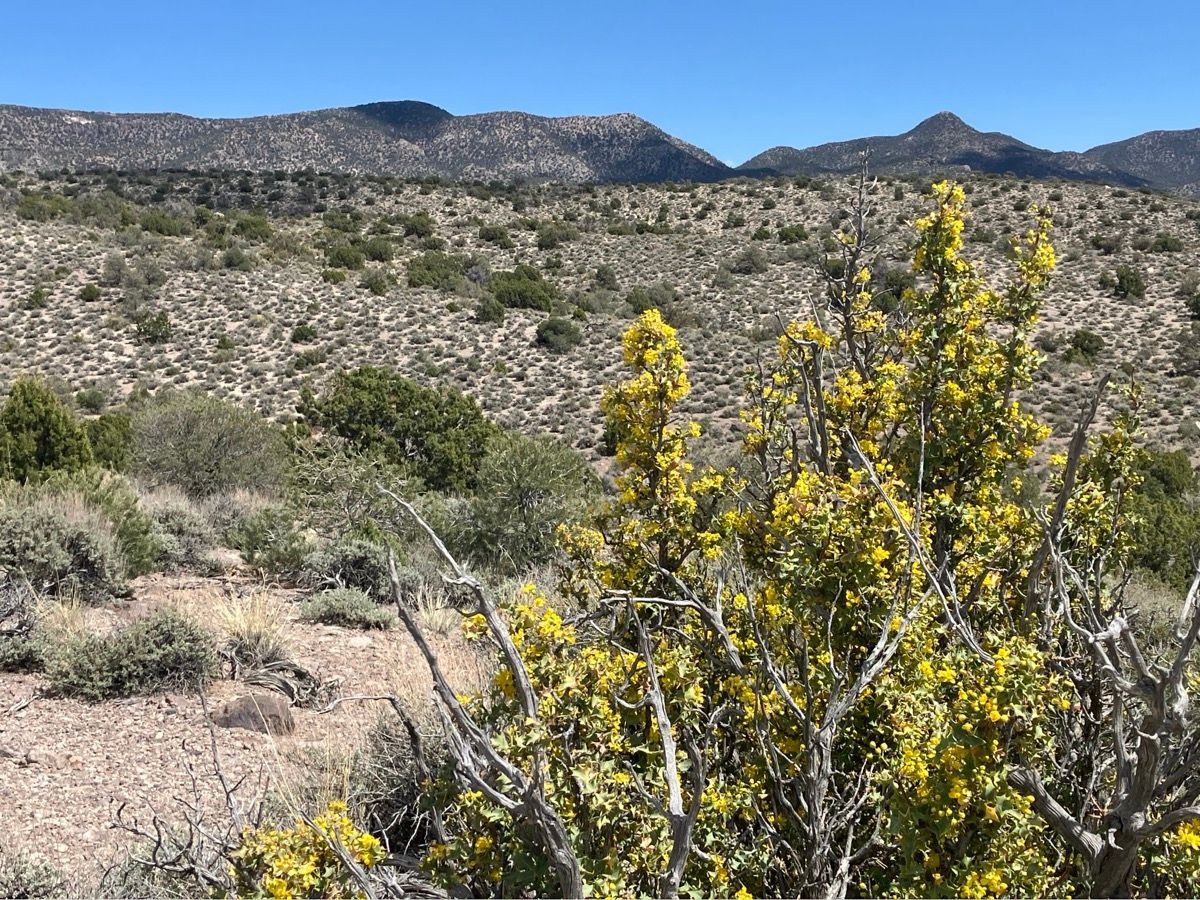
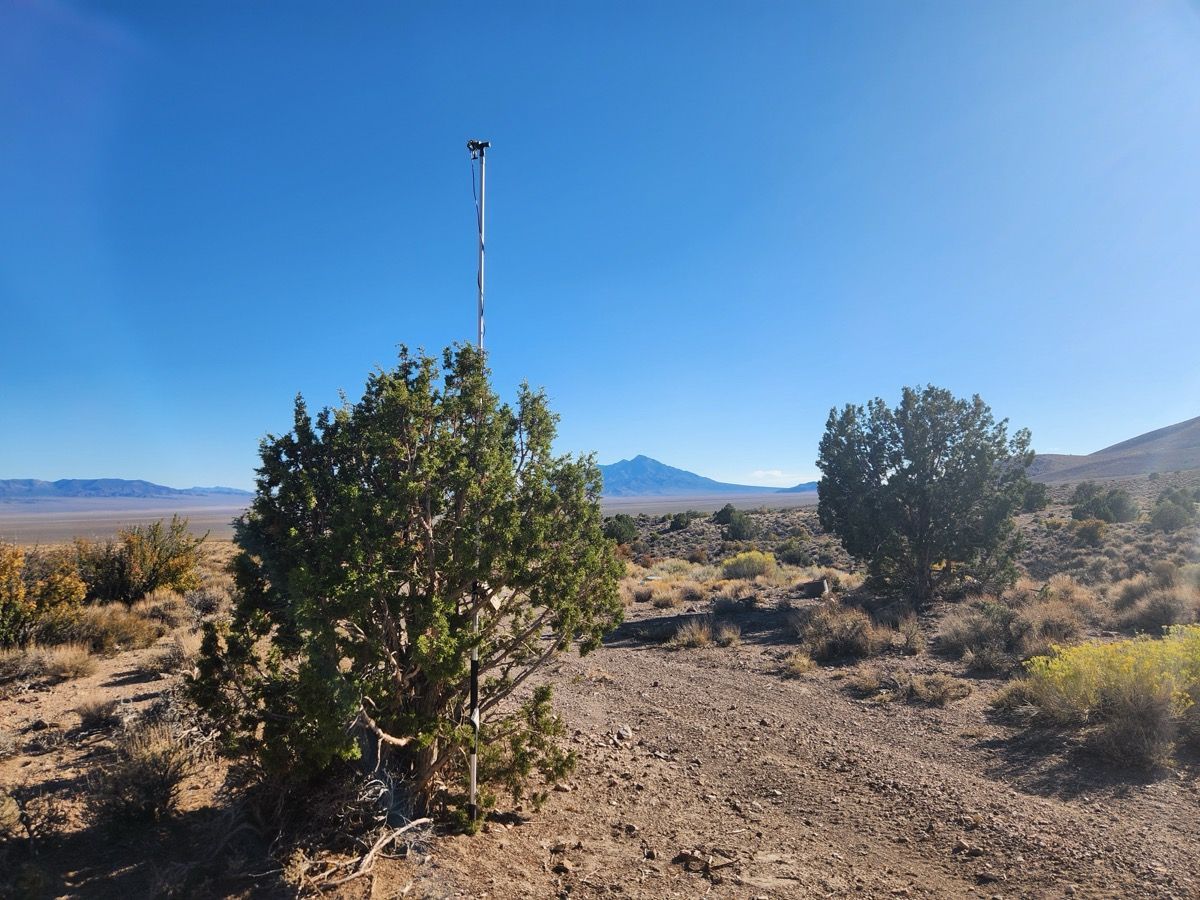
ENLC's AIM crews carry out Assessment, Inventory, and Monitoring work on public lands, tracking rangeland health and wildlife across the Great Basin. In FY2025, ENLC completed 56 wildlife surveys, building the baseline data that guides restoration and weed-management decisions across the region.
AIM Field Technician and Invasive Plant Management and Inventory Technician positions open each field season.
This work runs on members, volunteers, and partners who believe the Great Basin is worth fighting for.
Join them.
